


Additional Scholarships

For NJFC Scholarship Program Application please click here.

Risk & Protective Factors for Discontinuity in Public Adoption and Guardianship

NY: No home of their own: Shortage of foster homes reaches critical levels
➡ From Child Welfare Information Gateway NJ:
NY: No home of their own: Shortage of foster homes reaches critical levels
Albany Democrat-Herald – December 18, 2016
It’s been a familiar story as Linn and Benton counties have mirrored two statewide trends for at least the past five years: a shrinking number of certified foster homes and a strained child welfare system crushing its staff with unmanageable caseloads.
http://democratherald.com/news/local/no-home-of-their-own-shortage-of-foster-homes-reaches/article_f9e46348-4ff5-55f6-aa35-17b8c85a85ad.html
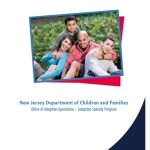
New Jersey Department of Children and Families
New Jersey Department of Children and Families
Office of Adoption Operations Kinship Legal Guardianship Subsidy Program
A Guide To Post Adoption Resources
The New Jersey Adoption Subsidy Program provides support and assistance
to families after their adoption is finalized. Although a caseworker is no longer assigned to
your child, your family now has an assigned Subsidy Specialist to assist you with concerns or questions, and obtaining community resources. Your Subsidy Specialist can help with Medicaid, subsidy payments, address changes, and other issues important to your family.
US: DCFS Looking Into Brad Pitt’s Pattern Of Child Abuse Behavior; Extends Investigation & Safety Plan On 6 Kids With Angelina Jolie (Includes video)
➡ From Child Welfare Information Gateway NJ:
US: DCFS Looking Into Brad Pitt’s Pattern Of Child Abuse Behavior; Extends Investigation & Safety Plan On 6 Kids With Angelina Jolie (Includes video)
News Everyday – October 27, 2016
Actor Brad Pitt is still under scrutiny as the Los Angeles County Department of Children and Family Services (DCFS) extended its fact-finding investigation into the actor’s alleged child abuse, not just during the incident aboard their private jet plane but even before that. The safety plan, a protective order imposed by DCFS and part of any pending divorce that should have expired on October 20, is also being extended, reports say.
http://www.newseveryday.com/articles/50932/20161027/dcfs-looking-into-brad-pitts-pattern-of-child-abuse-behavior-extends-investigation-safety-plan-on-6-kids-with-angelina-jolie.htm
Working With Lesbian, Gay, Bisexual, Transgender, and Questioning (LGBTQ) Families in Foster Care and Adoption
Working With Lesbian, Gay, Bisexual, Transgender, and Questioning (LGBTQ) Families in Foster Care and Adoption
WHAT’S INSIDEGetting to know the LGBTQ communityLanguage and terminologyAdvantages of including LGBTQ familiesTips for effective recruitment/retentionChallenges faced by LGBTQ adoptive parentsPossible challenges professionals face while working with LGBTQ familiesTips for representing LGBTQ families as potential adoptive parentsSupporting transgender parentsThe basics of creating a welcoming agencyConclusionReferences
During the last decade, child welfare professionals and agencies alike have welcomed the increasing visibility of families headed by LGBTQ parents. A growing number of agencies in the United States, both public and private, have established more supportive practices and are becoming increasingly proactive in recruiting families within the LGBTQ community, which means a larger pool of highly motivated and qualified prospective parents for children who need them. As written in the American Academy of Pediatrics (2013) policy statement titled Promoting the Well-being of Children Whose Parents Are Gay or Lesbian, “Scientific evidence affirms that children have similar developmental and emotional needs and receive similar parenting whether they are raised by parents of the same or different genders.”

Frequently Asked Questions From Lesbian, Gay, Bisexual, Transgender, and Questioning (LGBTQ) Prospective Foster and Adoptive Parents
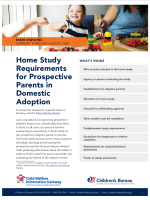
Home Study Requirements for Prospective Parents in Domestic Adoption
- « Previous Page
- 1
- …
- 5
- 6
- 7
- 8
- 9
- …
- 17
- Next Page »